
Welcome to
Energy Flow
MASSAGE & THERAPY
Relax and eliminate stress, muscle and back pain from your busy life
ABOUT US
Energy Flow Clinic is a therapeutic bodywork practice focused on supporting overall physical well-being through certified massage therapy services.
Our approach is centered on helping clients improve comfort, mobility, and body awareness through hands-on treatment tailored to individual needs. We view the body as a connected system where tension and discomfort can develop due to daily stress, posture, movement habits, and physical overload.
Have you been diagnosed by your doctor with conditions such as sciatica, herniated discs, kyphosis, scoliosis, neck or shoulder tension, arthritis, or varicose veins? We provide therapeutic massage to support your comfort, improve mobility, and complement your medical care.
If you are preparing for surgery or undergoing post-surgery rehabilitation, we are here to help support the recovery and healing process of your muscles. Each session begins with a careful assessment to select the most effective techniques for your needs.
Our goal is to help you reduce discomfort, improve mobility, and support your body’s self-healing process to maintain long-term physical health, rather than just addressing problems in the short term.
therapeutic
MASSAGE
SPORT
MASSAGE
HOT
STONE MASSAGE
DEEP
TISSUE MASSAGE
Our Prices
Initial Therapeutic Assessment & Massage
Duration: 75 minutes | Price: $145
Therapeutic Massage
Duration: 60 minutes | Price: $120
Extended Therapeutic Massage
Duration: 90 minutes | Price: $160
Therapeutic Deep Tissue Massage
Duration: 60 minutes | Price: $120
Duration: 90 minutes | Price: $160
Hot Stone Massage
Duration: 60 minutes | Price: $120
Duration: 90 minutes | Price: $160
Sport Massage
Duration: 60 minutes | Price: $120
Duration: 90 minutes | Price: $170
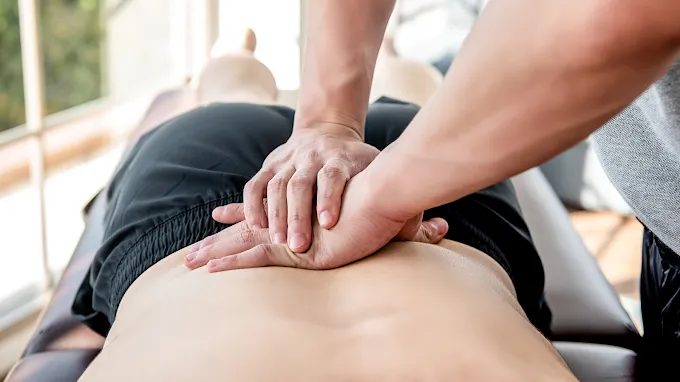
RESERVATION
Our Customer Reviews
See what our valued customers say about their experience
Frequently Asked Question
What are the benefits of massage therapy?
At Energy Flow Clinic in Montreal, we believe most movement difficulties are connected to the muscles. Massage therapy isn’t just for relaxation — it helps your body function better. By listening to your story and applying personalized techniques based on your muscular needs, massage therapy can reduce pain, improve mobility, prevent dysfunctions, enhance natural healing, and restore posture and alignment.
Are your massage therapists licensed and experienced?
Yes. At Energy Flow Clinic in Montreal, all our massage therapists are fully certified and recognized by the Association des Massothérapeutes du Québec (AMPQ).
They bring extensive experience in assessing muscles, joints, and soft tissues, and apply personalized techniques based on your unique needs and real-life situation. Our goal is to help you relieve pain, improve mobility, and restore balance safely and effectively.
How frequently should I schedule massages for optimal results?
The frequency of massage therapy sessions depends on your individual needs and goals.
- For general wellness: About 10 sessions a year (roughly once a week) helps keep your muscles healthy and prevents tension from building up. Going once a month is still helpful, but it’s like going to the gym only once a month — the benefits don’t last as well.
- For muscle pain, injuries, or specific issues: We recommend 5–10 sessions, up to 2–3 times per week. This can speed up recovery, improve mobility, and get you back to feeling your best faster.
The key is consistency. Regular massage helps your body function optimally and prevents problems before they appear, rather than just addressing them after they happen.
How do I know which massage is right for me?
During your first visit, we listen to your story, assess your muscles, joints, and movement patterns, and recommend a tailored treatment plan. Every massage is adapted to your needs — whether you have pain, stiffness, or want to improve overall function.
Can massage therapy help with chronic pain?
Yes. Massage therapy can reduce muscle tension, improve circulation, and restore proper movement, which can alleviate chronic back, neck, shoulder, and joint pain. Personalized, consistent care is key to long-term benefits.
Can massage therapy improve my posture?
Absolutely. By addressing muscle imbalances, tension, and joint alignment, massage therapy supports better posture and movement, which can prevent pain and improve daily comfort.
Is massage therapy safe for older adults or people with injuries?
Yes. Our therapists use AMPQ-approved techniques tailored to your condition, ensuring treatments are safe and effective for all ages and physical situations.
Can massage help with tension from sitting at a desk or working on a computer?
Yes. Targeted techniques can release tension in the neck, shoulders, and back, restore mobility, and prevent discomfort from daily activities like prolonged sitting.
How long is a typical massage session?
Sessions typically last 60 or 90 minutes, depending on your needs. Your first session is 75 minutes to allow a thorough assessment of your muscles, joints, and posture. This helps us personalize your massage, target areas of tension, and set the foundation for long-term relief and improved mobility.
We take the time to listen to your story, understand your pain points, and identify movement imbalances. This allows us to create a personalized plan and target the areas that need the most attention.
The extra time ensures your first experience is thorough, safe, and effective, giving your therapist the information needed to provide long-term relief and improved mobility in future sessions.
How much water should I drink after a massage and during the day, and why?
Answer:
Hydration is essential before, during, and after a massage. Drinking water helps your body flush out toxins released from muscles, reduces post-massage soreness, supports muscle recovery, and prevents dizziness or fatigue.
After a massage:
Aim for 1–2 cups (250–500 ml) of water within the first 30–60 minutes.
Throughout the day:
General guideline: 30–35 ml of water per kg of body weight. For example, a 70 kg person should drink roughly 2–2.5 liters daily.
Sip water gradually rather than drinking large amounts at once for better absorption.
Tips:
Deep tissue or long massage sessions may benefit from electrolytes to aid muscle recovery.
Avoid excessive caffeine or alcohol right after a massage—they can dehydrate you.
Listen to your body: dark urine, dry mouth, or headache may indicate you need more fluids-water.
Staying well-hydrated ensures you get the full benefits of your massage and supports overall wellness.
Blog & Articles
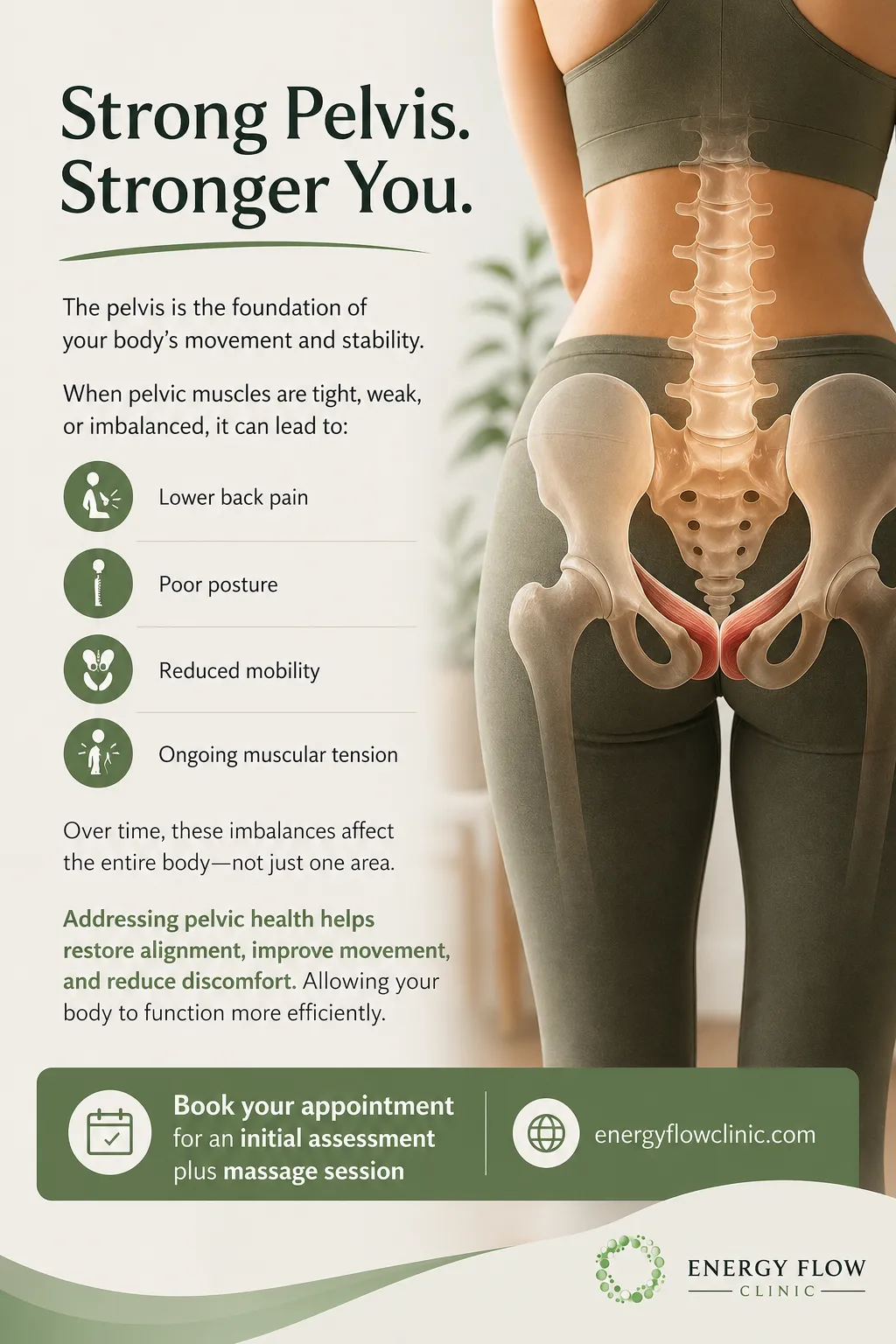
Why Pelvic Health Matters More Than You Think
Your pelvis is the foundation of your body—but most people don’t think about it until something goes wrong.
Pelvic muscles play a critical role in stability, posture, movement, and how your body distributes tension. When these muscles are weak, tight, or not functioning properly, the effects don’t stay isolated—they begin to spread throughout the body.
What Happens When Pelvic Health Is Neglected?
When the pelvis is not functioning optimally, the body starts to compensate. Over time, this can lead to:
Recurring lower back pain
Tight hips and limited mobility
Poor posture and structural imbalance
Reduced glute activation, forcing other muscles to overwork
Discomfort during everyday activities such as walking, sitting, or sleeping
Increased risk of injuries
Your body operates as a system. When the pelvis is out of balance, everything above and below begins to adapt—and not in a way that supports long-term health.
The Impact of Restoring Pelvic Function
The good news is that these patterns can be addressed with the right approach, awareness, and hands-on work.
When pelvic alignment and muscle function are restored, many people experience:
Improved posture without conscious effort
Greater ease and freedom of movement
Reduced pain and muscular tension
A stronger connection with their body
Taking care of your pelvis is not just about eliminating discomfort—it’s about restoring the way your body is designed to move and function.
Listen to Your Body Early
Physical discomfort rarely appears suddenly. It often begins with subtle signals that gradually intensify over time.
Ignoring these early signs allows dysfunction to develop deeper patterns that become more difficult to correct.
Listening early—and acting early—makes all the difference.
Book Your Assessment
If you’re experiencing tension, discomfort, or movement limitations, it may be time to address the root cause.
Book your appointment at Energy Flow Clinic for an initial assessment and massage session:
energyflowclinic.com

Get in Touch
Email: energyflowclinic@gmail.com
Address
Office: 4950 Queen Mary Rd, Office 360 Montreal, Quebec H3W 1X3
Office Hours
Monday – Friday 9:00am – 7:00pm
Saturday 9:00am - 5:00pm
Sunday – CLOSED
Phone Number:
438-700-2522
